

How to choose a dining chair: materials, styles and durability
A dining chair is often chosen on visual instinct. But it's a piece of furniture you use two or three times a day, for years. Comfort, materials and durability matter as much as style. Here's how to make an informed choice.
The material question
The material determines weight, maintenance, lifespan — and aesthetics. Three main families stand out for the dining room.
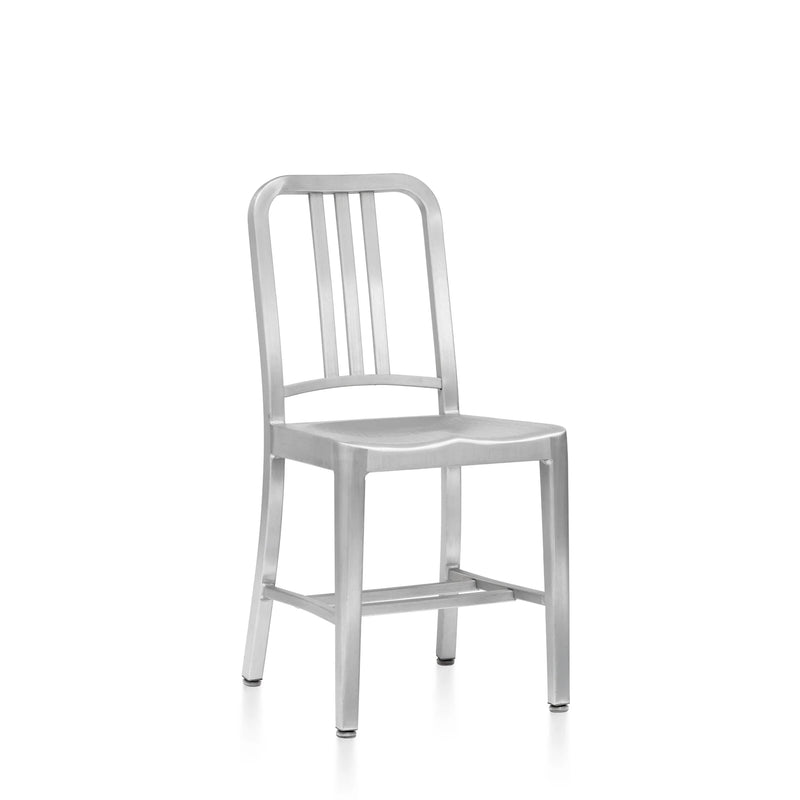
Aluminium is the strongest and lightest material. Emeco's Navy Chair 1006 weighs 3 kg, supports a 200 kg load, and has an expected lifespan of 150 years. Recycled aluminium is non-corrosive, allowing both indoor and outdoor use. It's the architects' choice for contract projects (restaurants, hotels).
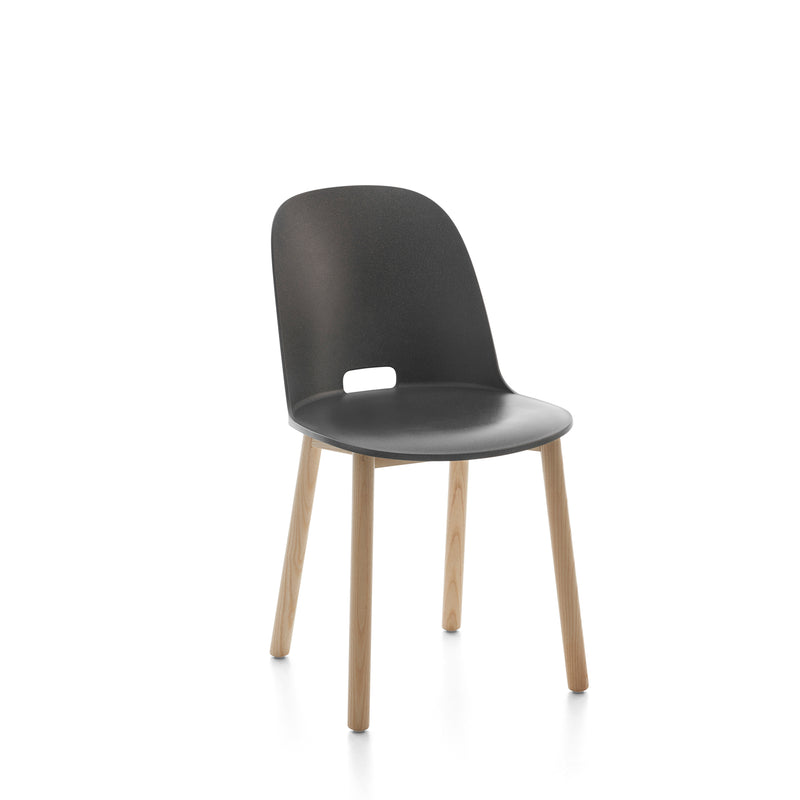
Solid wood brings warmth and texture. Jasper Morrison's Alfi pairs a recycled-material seat with a solid ash backrest and legs. Wood ages well — it develops a patina over time rather than degrading.
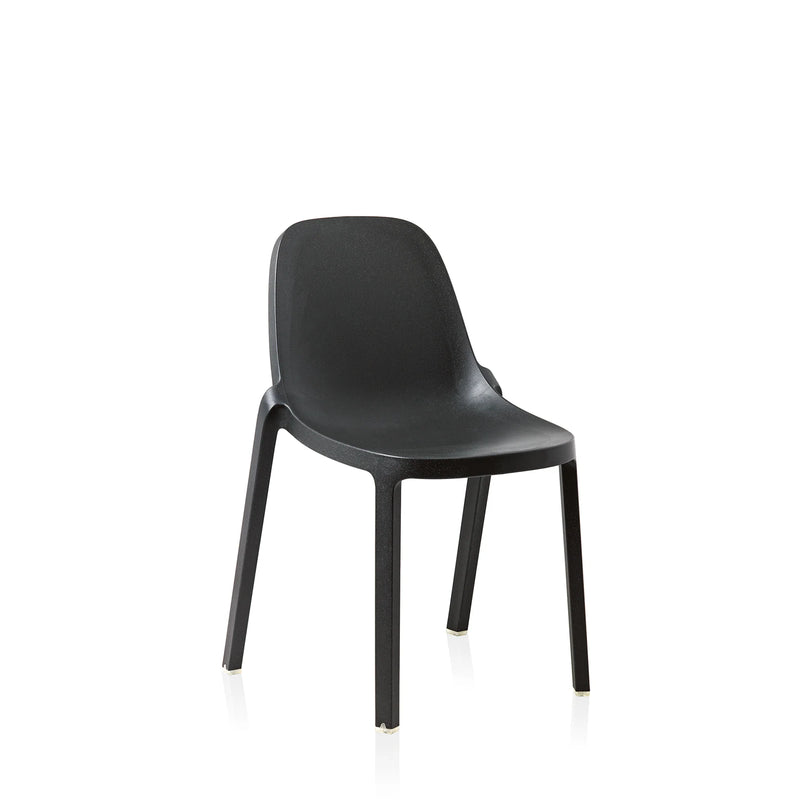
Recycled polypropylene offers a strong strength-to-price ratio. Philippe Starck's Broom is made of 90 % recycled polypropylene and sawmill waste. It withstands frost, stacks six high, and weighs less than 4 kg. Ideal if you need chairs that are easy to move and store.
Stackable or not: a practical question
If you entertain often and need to store extra chairs, stackability is a key criterion. The 1006 Navy, 111 Navy, 1 Inch and Broom all stack — six or ten high depending on the model. The Alfi, with its ash legs, doesn't stack: it's designed to stay around the table.
Indoor, outdoor, or both?
If your dining room opens onto a terrace and you want to move chairs outside in good weather, choose a model approved for outdoor use. Emeco's aluminium chairs (1006, 111 Navy, 1 Inch) and the polypropylene Broom withstand the elements without maintenance. No covers needed, no need to bring them in for winter.
Style: industrial, contemporary or bistro
A dining chair's design must dialogue with the table and the space. A few markers.
The Navy Chair 1006 has a pared-down, almost military profile — it adds character to a contemporary interior or a loft. Morrison's Alfi, with its wood and softer lines, fits a warmer, Scandinavian interior.
What's often overlooked
Weight. A chair you push and pull twice a day should be light. The models featured here weigh between 3 and 4.5 kg — well below a classic upholstered chair (6-8 kg).
Maintenance. Aluminium and polypropylene wipe clean with a sponge. Solid wood needs dusting and, once or twice a year, an oil or wax coat depending on the finish. Fabric and leather demand significantly more care.
Warranty. This is an indicator of the manufacturer's confidence in their product. Emeco guarantees its aluminium models for 150 years. It's a commitment no mass-market manufacturer can afford — and what justifies investing in an editor's chair.